
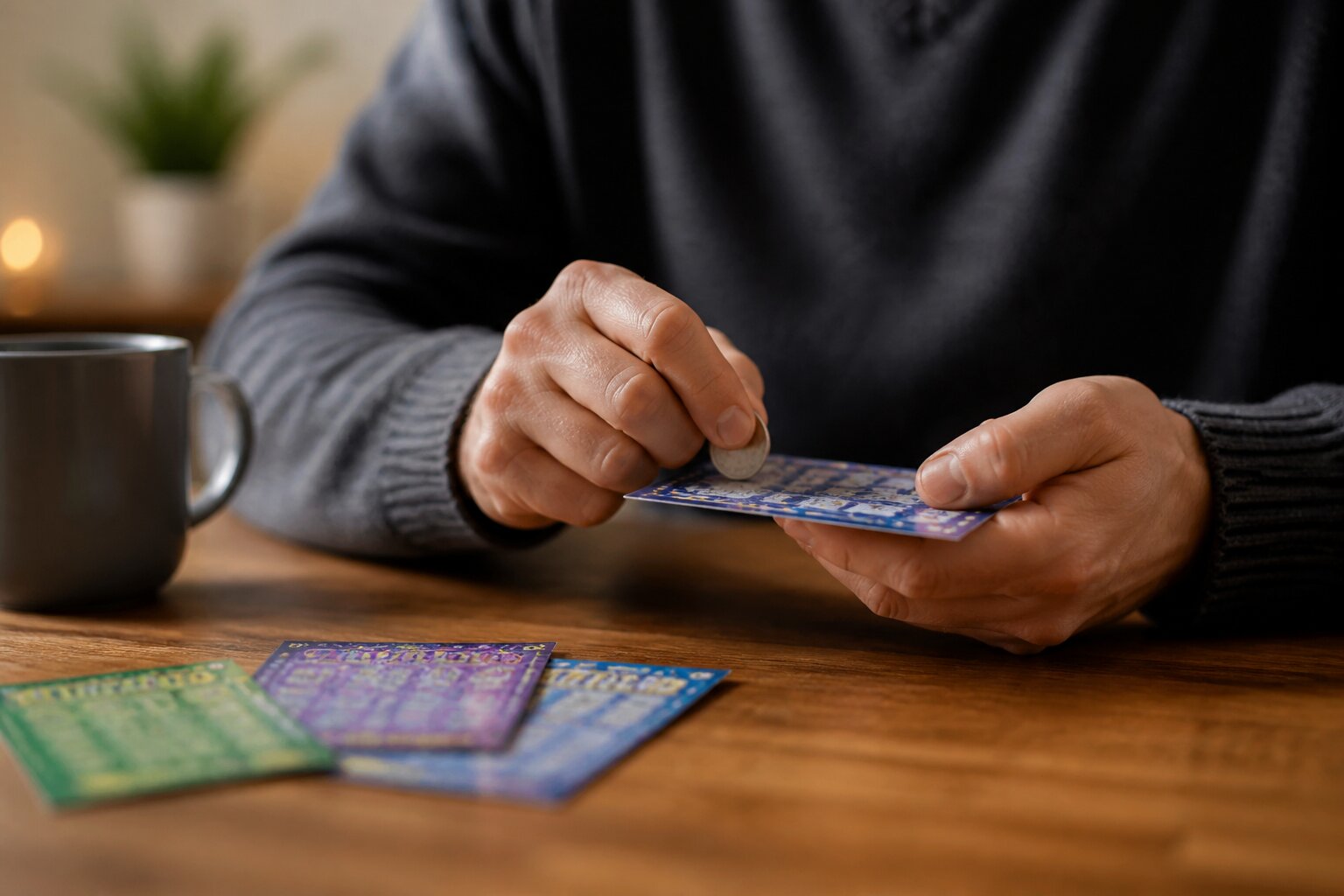
Ever scratched off a card and felt your heart race, hoping the reveal would show a prize? You’re not alone. Scratch cards are one of the UK’s most popular instant-win games, easy to play and offering a clear prize structure.
If you want to understand the real chances behind those odds printed on the back, this article walks through how odds are calculated, what the prize tiers mean, and how to read the information so you can make informed choices while playing. Read on to get the full picture.
What Do Scratch Card Odds Actually Mean?
Scratch card odds describe the statistical chance of uncovering any prize on a specific game. They’re calculated by comparing the number of winning cards to the total number of cards produced for that title.
For example, odds quoted as 1 in 4 mean that, across all the printed cards for that game, one out of every four contains a prize. That is a long-run average across the whole print run and not a promise about any short sequence of purchases. Each card you buy is an independent event with the same published odds as every other card in that game.
Odds do not change during normal play. They do not accumulate, reset, or alter depending on how many tickets have been sold or where they were bought. With that basic idea clear, next we’ll look at how those headline numbers are actually worked out.
How Are Scratch Card Odds Calculated?
Manufacturers set the odds before printing by deciding how many prizes will be included in the total print run. If 2 million cards are produced and 500,000 contain prizes, the overall odds are 1 in 4. Each prize tier — small, mid-range and top prizes — has its own fixed number of winning cards within that run.
Producers mix these winning cards randomly across the batch so the distribution is uniform. The published odds reflect the full mix of prizes and are verifiable against production figures or the game’s prize breakdown.
Games sold in the UK must meet regulatory standards that require transparent prize and odds information. That means when you check a card or the game rules online, the figures shown should accurately reflect how the prizes were allocated during production.
Understanding Prize Tiers and Payout Structures
Scratch cards use tiered payouts to spread prizes across many players while reserving larger sums for a few winners. The highest prize — often a jackpot — is rare, with only a very small number of winners in each print run. Mid-tier prizes are more common than the top prize but still limited, and the most frequent payouts are at the lowest tiers, such as small refunds or modest sums.
This structure allows a game to offer occasional larger wins while keeping the overall payout percentage within the limits set by the operator. Because only a portion of tickets carry prizes, the majority of cards have no payout; this balance is how the games are funded and how prize pools are maintained.
Knowing how tiers work helps when comparing tickets: a game with a higher proportion of low-value prizes but very few mid or top prizes will feel different to play from one that concentrates value into a few larger payouts. With the prize architecture understood, it’s useful to consider the production choices that influence those odds.
What Affects Scratch Card Odds in the UK?
Two main production factors shape the odds: the print run size and the prize distribution within that run. A larger print run with the same number of prizes lowers the chance each card contains a win, while a smaller run with identical prizes slightly increases individual chances. Producers decide these parameters ahead of sale and then randomise the placement of winners across the batch.
Regulation in the UK requires games to be fair and transparent. Independent checks and reporting help make sure prize allocations are as declared and that there is no selective placement or manipulation. These controls mean that the chances you see published are the chances that actually exist in the market.
Understanding these drivers makes it clearer why two games with similar ticket prices can feel very different: one may favour many small prizes, another might offer fewer but larger rewards. The next section compares how those mechanics appear in physical versus digital formats.
Comparing Online and In-Store Scratch Cards
Physical and digital scratch cards follow the same basic principles, but they differ in delivery. In shops you buy a printed ticket from a batch with a fixed number of winners. Online, a digital draw or random number process determines each outcome, but the overall prize distribution for the game is still set in advance.
Both formats must meet the same transparency and fairness requirements. Operators disclose odds and prize breakdowns so players can see how a game is structured, whether the card is paper or virtual. Security, auditing and clear prize information apply equally, so consumers can compare games on the same factual basis.
If you prefer a physical ticket’s tactile experience or the immediacy of an online game, the statistical principles remain constant — which leads naturally into clearing up several widespread misconceptions about how scratch card odds operate.
Common Myths About Scratch Card Odds Debunked
Several persistent ideas do not match how scratch cards are produced or regulated. Buying multiple cards at once does not change the published odds for any individual ticket; each card is treated independently. Likewise, there is no evidence that particular retailers consistently have more winners — distribution is random at production, not controlled at point of sale.
Patterns in serial numbers, the appearance of a ticket, or observing recent winners from a shop do not provide a reliable signal about remaining prizes. The only accurate information about a game’s chances and prize breakdown published by the operator. With these myths set aside, the next section explains where to find those official figures.
Where to Find the Odds for Individual Scratch Cards
Odds and prize breakdowns are normally printed on the back of the physical ticket or shown on packaging. Online games feature the same details within the game rules or prize information page. Licensed operators publish these figures so players can check the number of prizes at each tier and the overall odds before buying.
If a point of sale does not display this information clearly, asking a member of staff or checking the operator’s site are sensible options. Clear, accessible odds help players make informed choices and compare different games without relying on hearsay or guesswork.
Knowing where to look for factual information about a game makes it easier to set personal limits and expectations. That said, is there any way to improve your chances beyond choosing different games? The following section examines that question.
Is It Possible to Improve Your Chances of Winning?
There is no method that changes the published odds for an individual ticket. Selection techniques, timing of purchase, buying many tickets or seeking particular shops do not alter the underlying distribution set at production. Choosing games with a higher published chance of low-value wins can increase the likelihood of seeing small payouts, but that is a matter of comparing prize structures rather than influencing outcomes.
A practical approach is to compare the odds and prize tiers before deciding which game to play, selecting the style of prize distribution that matches what you find enjoyable. Keep purchases proportionate to your priorities and budget so the activity remains entertainment rather than a financial aim. With those considerations handled, the final section wraps up the main points.
Understanding Your Chances: Final Thoughts
Scratch cards are straightforward games with clearly defined odds and prize structures. Their outcomes are random by design and regulated to ensure the published figures reflect how prizes were allocated during production. Over time, most players will spend more than they win; that is how the mechanics of instant-win games balance prizes and operation costs.
Treating scratch cards as occasional entertainment and checking the published odds and prize breakdowns before you buy helps keep expectations realistic. If play ever stops being enjoyable or begins to affect wellbeing, confidential support is available through BeGambleAware.
**The information provided in this blog is intended for educational purposes and should not be construed as betting advice or a guarantee of success. Always gamble responsibly.