
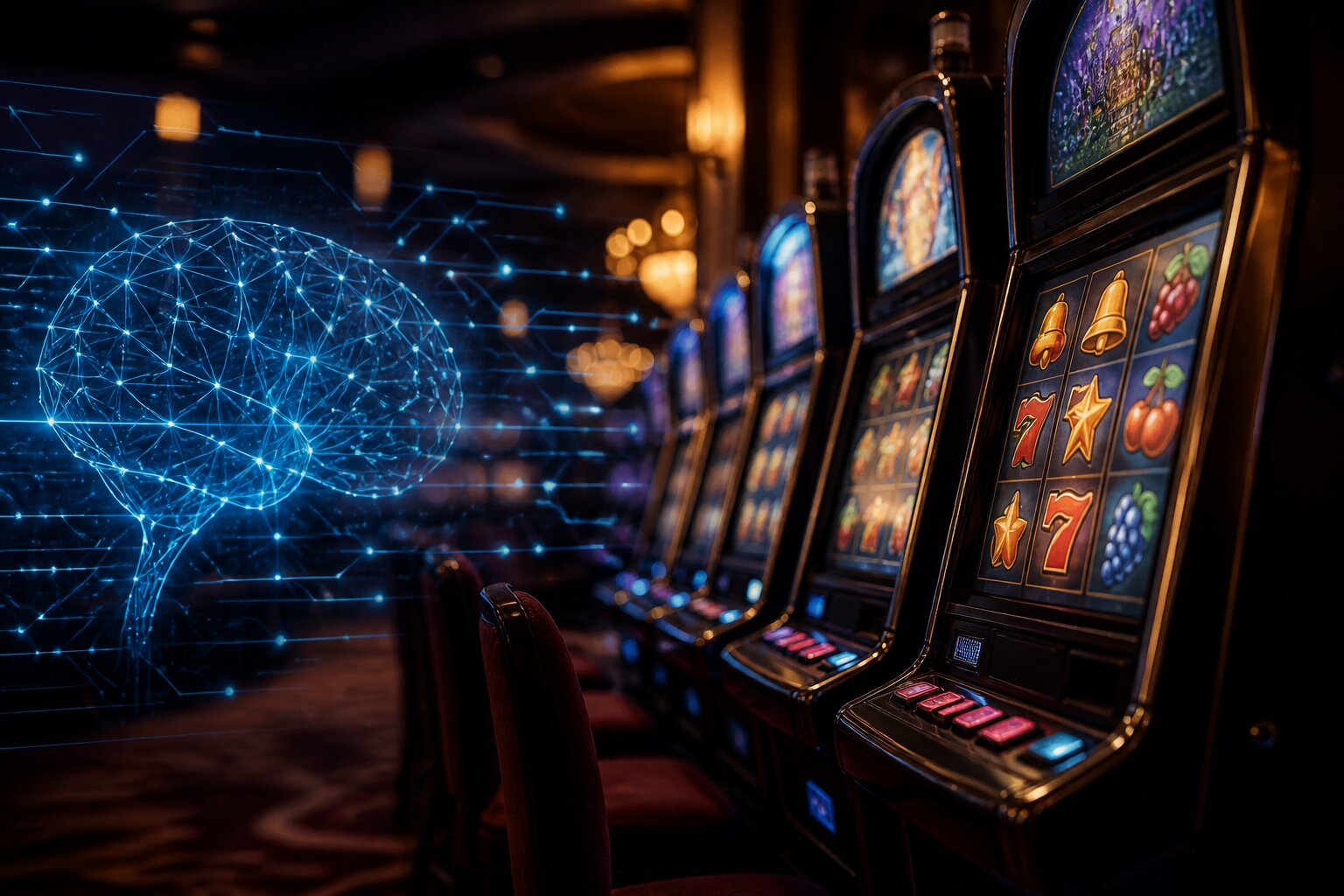
It feels like artificial intelligence is everywhere these days, popping up in everything from self-driving cars to voice assistants. So it’s no wonder people are starting to ask: can AI also beat the slot machines?
Rumours online claim AI might hold the secret to predicting where the reels will land next, promising better chances of winning. Before you get carried away by the idea of easy jackpots, let’s look at how slot games actually work and what role, if any, AI can play.
Read on to separate fact from fiction and learn exactly how modern slots and artificial intelligence interact.
How Do Online Slot Game Algorithms Work?
Online slot machines do not rely on superstitions or secret tricks; they use computer programmes called Random Number Generators, or RNGs.
An RNG is a mathematical system that produces a continuous stream of numbers. When you press spin, the software selects a number that corresponds to the symbols displayed, and that selection happens almost instantly. Because each spin is determined at that moment, previous results do not influence the next outcome.
To ensure fairness, independent testing firms check RNGs and the overall behaviour of games. These checks confirm that the software operates as intended and cannot be altered to favour one side. The purpose of those controls is to give players confidence that every spin is impartial.
What Is Random Number Generation in Slots?
Random Number Generation underpins every aspect of an online slot. It is the mechanism that turns a click into a result, and it runs continuously even when a player is not active. The RNG produces a stream of numbers that the game maps to reel positions, symbol outcomes or other game events.
The RNG uses algorithms to produce numbers that map to reel positions or symbol combinations. Most online slots use a pseudo-random number generator, which means the sequence is produced by mathematical processes rather than by physical randomness. Because the sequence is essentially unpredictable and generated on demand, you cannot forecast which number will be chosen next.
The time between a spin being requested and the result being determined is extremely short, so any apparent patterns are coincidental rather than causal. The process is designed to be impartial and to prevent any practical way of predicting or influencing outcomes.
The Role of RNG in Fair Play
Independent testing validates that RNGs produce outcomes consistent with the declared return-to-player figures and that they are not susceptible to outside influence. Accredited test houses evaluate the randomness and statistical behaviour of games to ensure they meet industry and regulatory standards.
Auditors typically check a range of factors, including:
- whether the RNG produces statistically random results over a large number of trials
- whether the observed return-to-player matches the published figure
- that the implementation cannot be tampered with or altered by the operator
- that games behave consistently across different sessions and platforms
Operators are expected to work with those auditors and meet regulatory standards that protect the integrity of the games. Regulators, such as the UK Gambling Commission, require evidence of testing and ongoing compliance as part of licensing conditions.
This independent scrutiny is the key safeguard that underpins public trust in online slots. It helps ensure games operate fairly, transparently and in line with consumer protection requirements.
Can Machine Learning Influence Slot Machines?
Machine learning and AI do have practical uses in online casinos, but they operate in support roles rather than changing game outcomes.
These technologies help personalise recommendations, detect unusual account activity, and enhance security. They can highlight patterns that suggest technical faults or help spot potential problem gambling behaviours, allowing staff to intervene where appropriate.
Crucially, the mechanics that decide a spin’s result remain governed by the RNG. Regulatory and testing frameworks prevent AI systems from altering or predicting spin outcomes. So while AI may shape your overall experience on a site, it does not change the underlying randomness of the reels.
If you’re curious about how these support systems work in practice, the next section explains common misconceptions people have about beating slots.
Are There Common Myths About Beating Online Slots?
A number of myths circulate about methods to beat slots: special bet sizes, timing spins, or using software to predict outcomes. These ideas persist because people look for patterns in random events, and coincidences can feel meaningful.
RNGs and independent testing mean there is no method that can reliably change your chance of a particular result. Strategies presented as guaranteed systems do not withstand scrutiny and often just recycle the same misunderstandings in new packaging.
It helps to treat slots as entertainment rather than a money-making activity. Setting limits, monitoring play, and using site controls are practical steps that keep gaming within personal boundaries without relying on unproven systems.
How Is Player Safety Ensured in Online Slots?
Player protection is built into the operation of reputable sites through a mix of regulation, technology, and staff training. Licensed operators must meet standards set by regulators, which include checks on fairness, security, and responsible gambling measures. Regular audits and independent testing help ensure games behave as advertised and that player funds are kept separate and secure.
Operators provide tools for players to manage their activity, such as deposit limits, reality checks, and options to pause or close accounts if they need a break. Common tools include:
- deposit and loss limits to control how much a player can spend,
- time limits and reality checks that remind players how long they have been playing,
- self-exclusion and cooling-off options to pause or suspend account access,
- personalised limits and session reminders offered by some sites.
Behind the scenes, monitoring systems can flag unusual patterns so teams can offer support where it seems needed. These systems look for signs such as sudden increases in stakes, chasing losses, or frequent short sessions that may indicate a problem. Trained staff then review flagged accounts and, when appropriate, make contact to discuss safer play and available support.
This framework aims to keep play transparent and secure while offering routes to assistance when required. Clear terms and conditions, transparent payout information, and secure payment processing contribute to a safer environment. Operators also promote safer gambling messages and make help easy to find on their sites.
Support resources and third-party organisations are available for anyone who wants extra help. In Great Britain, recognised bodies include GamCare and GambleAware, which provide confidential advice, counselling, and treatment options. If you or someone you know is struggling, contacting one of these organisations or using an operator’s safer gambling tools is a sensible first step.
What Does the Future Hold for AI and Slot Game Technology?
Looking ahead, AI will continue to refine the background systems that shape a player’s experience rather than the outcome of individual spins.
Expect improvements in game personalisation, fraud detection, and early-warning systems for harmful play. Visual and audio elements will become more intricate as developers use new tools to create immersive content, and machine learning will make recommendation engines more accurate at suggesting games a particular player might enjoy.
No technological advance is likely to change the fundamental role of RNGs or the regulatory checks that safeguard fairness. As systems evolve, operators will need to balance better personalisation and stronger protections while maintaining the impartiality of the games themselves. That balance will determine how technology improves the experience without altering the essential nature of the play.
Overall, while AI will shape many parts of the online casino environment, it cannot predict or control spin outcomes, and the systems designed to protect fair play will remain central to how slot games operate.
**The information provided in this blog is intended for educational purposes and should not be construed as betting advice or a guarantee of success. Always gamble responsibly.