
Ever wondered if there’s a secret to picking the right numbers in keno? With its blend of chance and quick results, keno attracts many players who enjoy selecting numbers in particular ways.
People often talk about patterns or systems that might boost their chances. In this article we’ll look at common keno patterns, explain how draws work, and offer practical tips to help you make informed choices and stay in control as you play.
Read on to separate useful ideas from myths and to get clear, straightforward advice on playing smarter and more safely.
What Are Number Patterns in Keno?
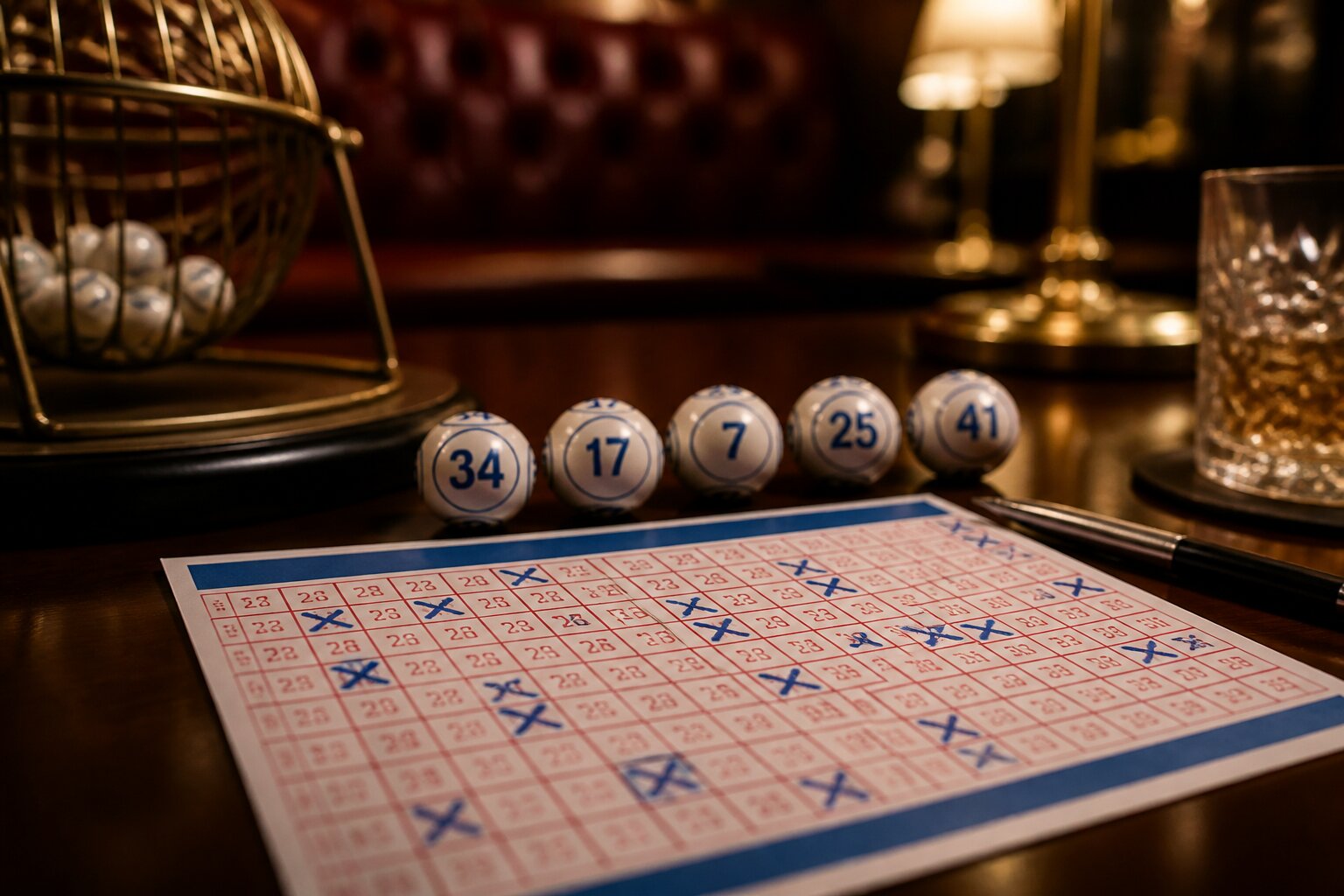
Number patterns in keno describe how some players mark numbers on their card instead of choosing at random. These can be geometric shapes, sequences or arrangements that give a ticket a personal look.
Players might form straight lines, clusters, diagonals or repeating steps. For many it adds ritual or familiarity to the game; for others it’s simply a way to make their selection feel organised.
These patterns are purely methods of choosing numbers. They don’t change the mathematics of the game or make particular numbers more likely to be drawn, but they do affect how players experience each round.
How Are Winning Keno Numbers Drawn?
Winning numbers are selected either by a certified random number generator (RNG) or, in some venues, with a physical ball machine similar to those used in lotteries.
RNGs are computer programmes that produce unpredictable results and are subject to independent testing to ensure fairness. Whether a draw uses electronics or balls, each selection is conducted so that every number has the same chance in that draw.
Because every draw is independent of the last, patterns on a ticket do not influence outcomes. Knowing how draws are made helps explain why picking particular shapes or sequences does not change the probability of a win.
Do Certain Keno Patterns Really Increase Your Chances?
Many players wonder whether a chosen pattern can tilt the odds. The short answer is no. The process that selects winning numbers treats each number equally every draw, so the arrangement you mark has no effect on the result.
Choosing patterns can make the game more engaging or help players stick with a familiar method. It can also give a sense of control or ritual for some players. However, it will not alter the statistical chance of matching a drawn number.
Keeping that distinction clear helps form realistic expectations when playing. Understanding how randomness works can reduce frustration and discourage chasing losing streaks.
Common Myths About Winning Keno Patterns
People often repeat the same ideas about patterns and outcomes. Here are three widespread myths and why they don’t hold up:
-
Myth 1: Some patterns are more likely to win
Shapes like crosses, lines or chessboard layouts are visually distinct, but the game’s selection method does not favour any particular layout. All combinations have the same mathematical probability, so choosing a particular shape does not increase your chances. -
Myth 2: Repeating a previous winner will work again
A ticket that won in the past does not become more likely to win again. Each draw is independent, which means past results do not influence future outcomes. Relying on past winners to predict future success can lead to misplaced confidence. -
Myth 3: ‘Hot’ or ‘cold’ numbers change their chances
A number that has appeared frequently or rarely in recent draws still has the same probability in the next draw. These terms only describe recent outcomes, not predictive power. Treating hot or cold numbers as a reliable strategy can encourage unnecessary risk.
Recognising these myths makes it easier to treat keno as entertainment and avoid chasing systems that cannot deliver guaranteed results. Play responsibly and view patterns as personal preference rather than a method to beat the odds.
Examples of Popular Keno Number Patterns
Many players enjoy using familiar formations when they pick numbers. Below are common patterns and what they look like on a typical keno grid.
A number of players prefer clusters, forming small squares or rectangles by choosing adjacent numbers. Others follow diagonals that run corner to corner, or fill an entire horizontal row or vertical column. Some like to pick the four corners or trace a zig-zag path across the card.
These patterns are useful to know because they illustrate how different selections can feel structured without affecting the game’s fairness. Choose the style that suits you, whether for clarity, habit, or visual appeal.
How to Spot Hot and Cold Numbers in Keno
‘Hot’ numbers are those that have appeared often in recent results; ‘cold’ numbers have shown up less frequently. Many sites display these statistics so players can view short-term trends, usually based on the most recent draws or a selectable historical period.
It is important to remember that these labels report past behaviour only. Each new draw is random and independent, so hot or cold status does not alter a number’s chance of being selected in the future. Apparent streaks can arise by chance and will often even out over longer periods.
Players commonly use these statistics for a few simple reasons:
- to make the game more engaging by following trends
- to shape a personal selection method without expecting certainty
- to compare recent patterns across different games or draw intervals
Using statistics in these ways can add to enjoyment, but relying on them as predictions can lead to mistaken expectations. Treat them as descriptive information rather than a strategy that guarantees outcomes, and play within your limits.
Top Tips for Choosing Keno Numbers
Picking numbers is a personal choice. Some players favour dates or favourite digits, while others let the system choose randomly. Whatever you prefer, the goal should be a clear, enjoyable way to play.
Think about why you choose particular numbers. You might pick numbers because:
- they have personal meaning, such as birthdays or anniversaries,
- you prefer patterns or sequences on the ticket,
- you use random or quick-pick options provided by the operator.
Decide on a spending limit beforehand and stick to it; this keeps play proportionate and helps avoid regret. Consider these practical steps to help you stay within your limits:
- set a strict budget for each session and never exceed it,
- use operator tools such as deposit limits, wagering caps or time-outs,
- take regular breaks and avoid chasing losses,
- treat keno as entertainment rather than a way to make money.
If play ever feels less controlled, there are support services available to help. You can use tools like self-exclusion and account cooling-off periods, and seek advice from specialist organisations if needed. Keeping a practical frame around gaming, using available controls and asking for support when required, makes the experience more satisfying and safer over time.
Where Can You Find Fair Keno Games in the UK?
To ensure fair play, look for operators that are regulated and have independently tested systems. In the UK, a valid UK Gambling Commission licence is a key sign that an operator must meet strict rules on random number selection and the protection of player funds.
Independent audits and published testing results are useful indicators that a game’s RNG or draw machinery operates correctly. Reputable testing bodies you might see referenced include recognised third-party laboratories, which publish certificates or reports confirming accurate draw mechanics and proper RTP calculations.
Choosing venues with clear licensing and testing information helps you play with confidence. Useful things to check include:
- visible licence details and licence number on the site
- links to test certificates or audit reports from independent labs
- clear terms and conditions that explain how draws and payouts work
Playing with trusted providers also means access to secure payments and customer support if issues arise. Secure operators will use industry-standard encryption for transactions and display multiple trusted payment methods. Good customer support should be easy to contact and able to answer questions about games, account security, and complaint processes.
Always remember to review responsible gambling resources and the operator’s fairness and complaints procedures before you play. This helps ensure you are dealing with a transparent provider and know how to raise concerns if needed.
Frequently Asked Questions About Keno Patterns
Here are answers to common questions about patterns, selection methods, and game safety to help bring the main points together.
Can keno patterns help me win more often?
No pattern or selection method increases the chance of winning. The selection process treats every number equally and each draw is independent.
Should I focus on hot or cold numbers?
Those terms describe past draws only. They do not predict future outcomes, so treating them as guarantees can be misleading.
Is it safe to play keno online in the UK?
Yes, when you choose a regulated operator with published testing and oversight. Those safeguards help ensure the draws are fair and that player protections are in place.
What’s the best way to pick keno numbers?
Pick numbers that make the game enjoyable for you and set limits before playing. Treat keno as entertainment and keep expectations aligned with how the game actually works.
If you ever feel concerned about your play, support and advice are available through licensed operators and specialist services.
Final note: patterns can add structure and enjoyment to keno, but they do not affect the mathematics behind the draws. Knowing how the game operates helps you play with clear expectations and maintain a responsible approach.
**The information provided in this blog is intended for educational purposes and should not be construed as betting advice or a guarantee of success. Always gamble responsibly.