
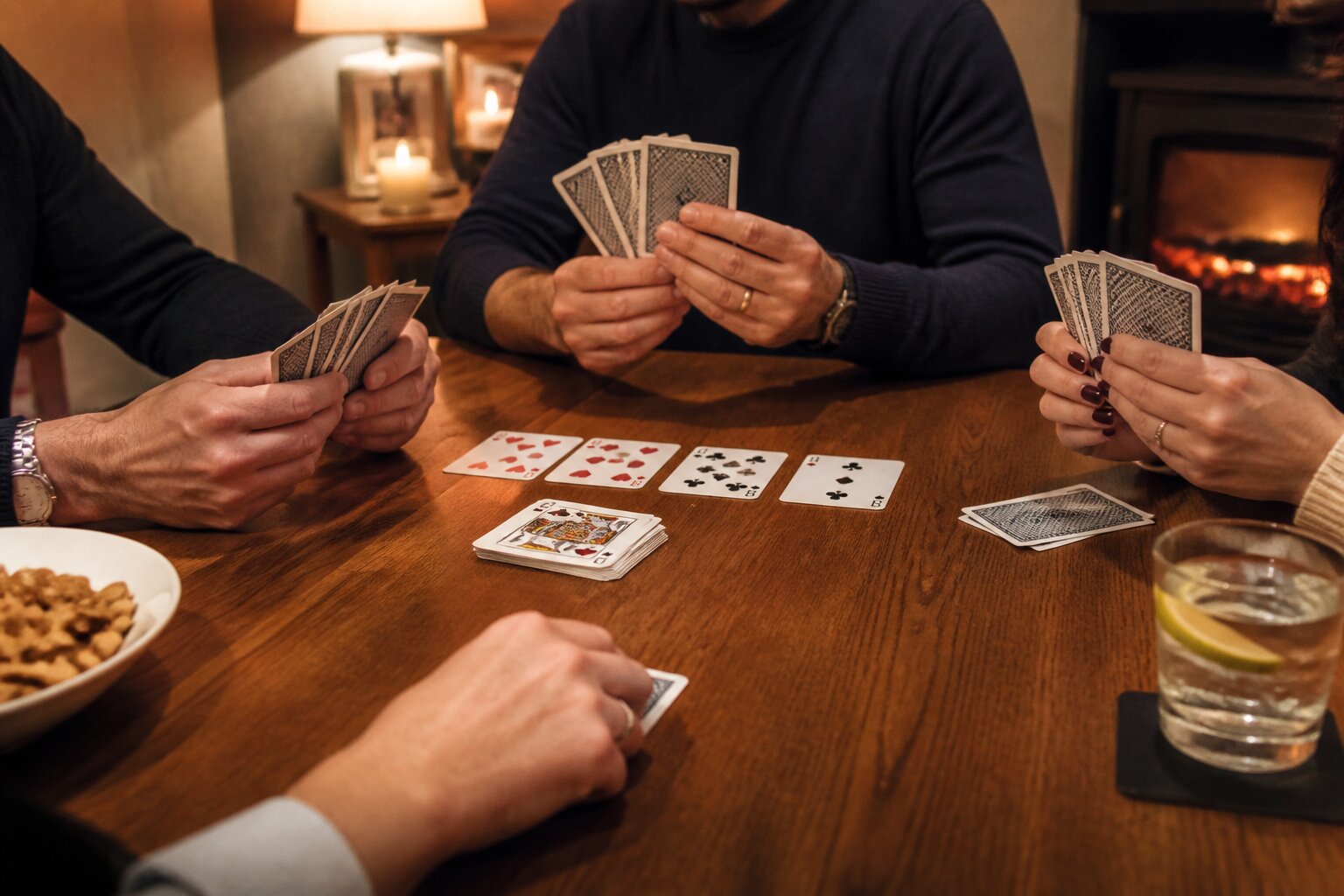
Ever fancied a game of poker but realised you’re fresh out of chips? No need to let that ruin your plans. Whether you’ve misplaced your set, are away from home, or simply want to try something different at your next game night, there are plenty of simple ways to keep the cards moving.
This article shows practical, low-fuss options for replacing chips, explains how to track bets and scores, and suggests chip-free game formats that work for small and large groups. Read on for quick ideas and a few creative twists to keep your evening enjoyable.
Ready to keep the game going? Here are easy alternatives and helpful pointers to get you started.
What Can You Use Instead of Poker Chips?
If you don’t have poker chips, everyday items can stand in perfectly. Coins are the most familiar option: agree on a value at the start and use different denominations to represent different stakes. Buttons from a sewing kit work well too—sort by colour or size so each type has a clear value. Wrapped sweets or chocolates can add a playful element, especially with family, though you might need to resist nibbling mid-game. A spare deck of playing cards can become a set of tokens if you assign values to suits or numbers. Paper slips or sticky notes are quick and flexible: write values on them and keep them in piles. Other small household items such as matchsticks, bottle caps, beads, marbles, or checkers also serve as easy, low-cost substitutes; just confirm their values before you begin.
Creative Items to Replace Poker Chips at Home
For a more memorable evening, look around the house for colourful or tactile items that add character to the table. Board game pieces and Scrabble tiles give a familiar look and feel. Pasta shapes like tubes and shells are surprisingly practical and divide neatly into piles. Bottle tops in different colours make clear visual markers, while beads or spare craft marbles bring brightness and are easy to spot. Lego bricks let you assign distinct values by size or colour, which children and adults alike often enjoy. When choosing substitutes, pick items that are easy to count at a glance and unlikely to be confused with one another.
If you want to add a small creative twist, consider combining two types of items for different values, for example, three bottle tops equal one marble, which keeps scoring intuitive and tidy.
How to Keep Track of Bets Without Chips?
Keeping bets and balances clear is essential when you’re not using a standard set of chips. One option is a simple score sheet: write each player’s starting balance and update it after each hand so everyone can see the running totals. A smartphone or tablet spreadsheet does the same job with less paper and can be quicker for longer sessions. If you prefer a visible approach, a chalkboard or whiteboard allows the group to follow changes at a glance. Alternatively, treat your chosen substitutes as tokens and move them between players as bets are won or lost, which keeps the flow very similar to a traditional chips game. Whatever method you pick, make sure players agree on values and procedures before the first hand so disputes are avoided.
Alternative Poker Games Perfect for Chip-Free Play
Poker can be adapted in many ways that remove the need for chips without taking away the strategic elements of the game. These formats work well when your focus is on the social and tactical side of poker rather than on currency or stakes.
Card-Based Betting Options
A good chip-free twist is to use spare playing cards as betting units. Each player receives a set number of extra cards and uses them to wager during a hand. You can vary values by suit or colour to keep wagers simple and clear. In some home formats the winner of a hand collects the cards bet that round, and the overall winner is the player who accumulates the most cards over the session. These variations preserve the rhythm of betting while keeping everything contained within the decks.
Poker Games for Large Groups Without Chips
When many people want to play, formats that rely on points or quick rounds make the night manageable. Dealer’s choice can keep things lively: each dealer picks a variant and the scoring method for that round, using paper or tally marks to record outcomes. A tournament-style approach divides players into tables or teams and awards points rather than chips, with winners advancing or earning team totals. For a more casual option, play for single-hand points where each hand wins a fixed score and someone records those wins. These approaches let larger groups play together without the clutter of makeshift tokens.
If you choose to introduce real money at any point, ensure all participants are adults and comfortable with the arrangement, and set clear limits beforehand.
Are There Any Special Rules When Playing Poker Without Chips?
Yes. Clear, agreed rules are more important than ever when you replace chips with other items or scores. Start by defining what each substitute item is worth and how bets will be expressed in those terms. Outline limits on betting and explain what happens if a player’s tokens are exhausted mid-game—will they be out, or able to borrow or buy back in? Decide who records scores and how disputes will be resolved; rotating the scorekeeper can spread responsibility and keep perspective.
Communication up front prevents misunderstandings later: a brief rules check before the first deal keeps the atmosphere friendly and fair. Also, remember legal and safety considerations—ensure everyone is of legal age for any real-stakes play, and keep the experience responsible and recreational.
Common Pitfalls to Avoid When Using Chip Alternatives
Using substitutes is handy, but some issues crop up repeatedly. One frequent problem is items that look alike, which makes values easy to confuse. Choosing clearly different colours, shapes, or sizes eliminates that risk. Another common issue is vague rules; without clarity about how betting, raising, and scoring are handled, arguments can interrupt the flow. Appointing a neutral scorekeeper or using a shared digital record helps prevent counting errors and disputes. Finally, when disagreements arise, pause and talk them through calmly rather than letting frustration spoil the game. A short timeout to agree a fair resolution keeps friendships intact and the evening fun.
Can You Play Poker Without Any Betting at All?
Playing poker without betting is a great way to learn the game, practise tactics, or enjoy a relaxed social evening. In this format, hands are played for points, reputation at the table, or simply for the pleasure of competing. It opens the game to younger players and newcomers, as there are no stakes to manage and the focus shifts to decision-making and reading opponents. Keep in mind that any time real stakes are introduced, participants must be adults and comfortable with the arrangement.
Shifting to a score-based or purely recreational game also removes pressure and keeps the experience accessible for everyone at the table.
Top Tips for a Fun, Chip-Free Poker Night
Small choices make a big difference to how smoothly a chip-free poker night runs. Prepare substitutes and their assigned values before guests arrive so the first few hands move quickly. Take a moment at the start to confirm the house rules and the method for tracking scores so everyone is on the same page. Encourage good sportsmanship and a friendly tone around the table; a relaxed group is more likely to enjoy longer sessions. Finally, plan natural pauses for drinks and snacks so the evening feels social rather than intense.
With clear preparation and a focus on enjoyment, a chip-free poker night can be just as engaging as the traditional version and often more creative.
**The information provided in this blog is intended for educational purposes and should not be construed as betting advice or a guarantee of success. Always gamble responsibly.